
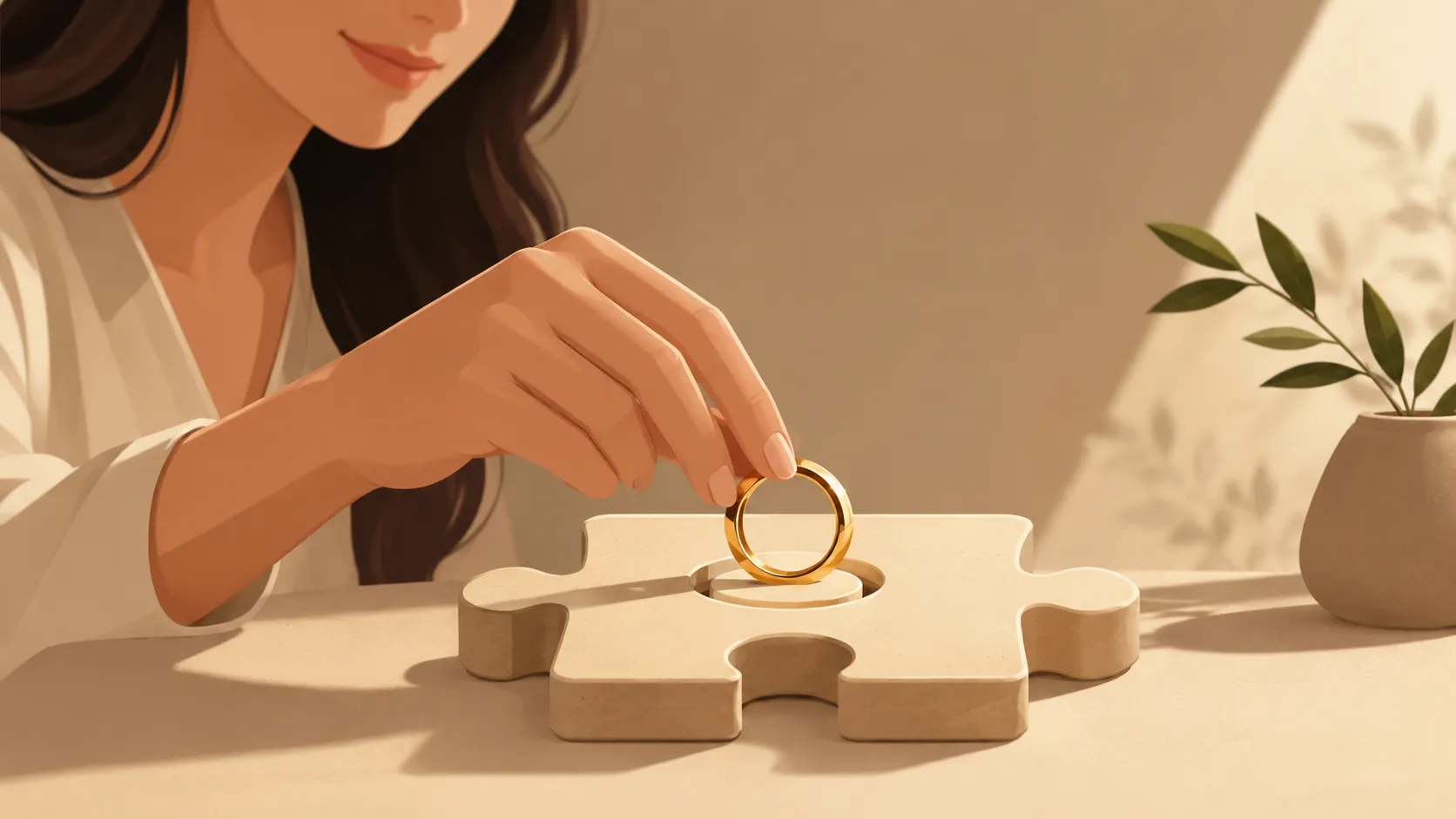
Before choosing a ring size or deciding whether your current ring fits properly, it helps to understand that finger size naturally changes throughout the day. Jewelry experts generally agree that a properly fitting ring should slide over the knuckle with slight resistance, sit securely at the base of the finger, and come off with a gentle twist rather than slipping off easily. Temperature, hydration, activity levels, and even salty foods can temporarily change how a ring feels.
Why Proper Ring Fit Matters
A ring is more than a decorative accessory. Whether it is a wedding band, engagement ring, family heirloom, or fashion statement, the way it fits directly affects your comfort and confidence every day. Many people focus on appearance when buying a ring, but the true test begins after hours, weeks, and months of wear. A ring that looks beautiful but constantly pinches your finger can quickly become something you avoid wearing. On the other hand, a ring that feels loose can create a constant fear of losing a valuable piece of jewelry.
The importance of proper fit goes beyond comfort. Rings that are excessively tight can restrict circulation, create skin irritation, and become difficult to remove during periods of swelling. Rings that are too loose may rotate constantly, snag on objects, or even slip off without notice. Jewelry professionals consistently emphasize that the ideal fit exists somewhere in the middle; a sweet spot where the ring feels secure without becoming restrictive. Think of a ring like a well-fitted pair of shoes. Shoes that are too tight cause pain, while shoes that are too loose create instability. Rings work exactly the same way. The goal is not merely finding a size that stays on your finger. The goal is finding a size that supports years of comfortable wear while adapting to the natural changes your body experiences.
The Ideal Ring Fit Explained
What a Perfect Fit Feels Like
The phrase “perfect fit” sounds simple, but many people struggle to define it. According to jewelry experts, a ring should slide onto your finger relatively easily while offering slight resistance when passing over the knuckle. Once it reaches the base of the finger, it should feel secure without squeezing the skin. When removing it, you should notice a small amount of resistance again as it passes back over the knuckle. A properly fitted ring should not constantly remind you that it exists. After a short adjustment period, most people forget they are wearing it. This “forget it’s there” feeling is often one of the strongest indicators that the fit is correct. If you find yourself frequently twisting, adjusting, or checking your ring throughout the day, something may be off.
Another useful test involves daily activities. Can you type comfortably? Can you hold objects naturally? Can you wash your hands without worrying that the ring will slip away? If the answer is yes, you are likely close to the ideal size. Comfort should extend beyond standing still. A ring should remain comfortable during real-life movement and activity.
The Knuckle Resistance Test
One of the most reliable methods for evaluating fit is the knuckle resistance test. The ring should pass over the knuckle with gentle resistance but not require force. Many fingers are wider at the knuckle than at the base, which makes this balance especially important.
If the ring slides over the knuckle effortlessly and falls off without resistance, it is probably too loose. If you must tug aggressively or use lotion to remove it under normal conditions, it may be too tight. Experts often describe the correct sensation as a slight twist-and-pull motion rather than a struggle. This simple test provides valuable insight because it mimics everyday wear conditions. A ring should feel secure enough to stay put while remaining practical to remove whenever necessary.
Signs That a Ring Fits Comfortably
Physical Indicators of Good Fit
Several physical signs can help you determine whether your ring fits correctly. A comfortable ring sits naturally at the base of the finger without digging deeply into the skin. A slight indentation after removal is often normal, especially after wearing the ring for many hours. Deep grooves, discoloration, swelling, or pain are not normal and usually indicate that the ring is too tight. The ring should not rotate excessively. Some movement is expected, especially with larger gemstones or lightweight bands, but constant spinning often suggests the size is too large. Likewise, the ring should not feel like it is squeezing your finger when making a fist. A comfortable fit allows natural hand movement without discomfort.
Pay attention to your skin as well. Persistent redness, pressure marks, or numbness are warning signs. Your body often provides clear feedback when something does not fit properly.
Emotional and Practical Comfort
Comfort is not solely physical. There is also a psychological aspect to ring fit. A properly fitted ring creates peace of mind. You are not worried about losing it while washing your hands, nor are you concerned about getting it stuck during warm weather.
Many experienced ring wearers describe the ideal fit as something they stop thinking about. Imagine driving a well-balanced car. You do not constantly worry about steering because everything feels natural. The same principle applies to rings. When the fit is right, the ring becomes part of your routine rather than a source of distraction.
This emotional comfort is especially important for rings intended for daily wear. Engagement rings and wedding bands often remain on the finger for years. Even small fit issues can become significant annoyances over time.
The Balance Between Security and Ease of Removal
Why Too Tight Is a Problem
Many people assume that a tighter ring is safer because it is less likely to fall off. While that sounds logical, excessive tightness introduces a new set of problems. Tight rings can trap moisture, irritate the skin, and become extremely difficult to remove during periods of swelling.
Finger size naturally fluctuates due to heat, exercise, hydration levels, and sleep patterns. A ring that feels acceptable during cool weather may become painfully restrictive during summer. Experts note that swollen fingers are particularly common in hot temperatures and after physical activity. Overly tight rings can also create anxiety. If removing the ring feels like a stressful event every time, the size is likely too small. Long-term comfort requires flexibility for these normal body changes.
Why Too Loose Is Risky
A loose ring may seem more comfortable initially, but it carries significant risks. Rings that slide freely can disappear unexpectedly while washing hands, swimming, exercising, or simply reaching into a pocket. The loss of a sentimental or expensive ring can be devastating.
Jewelry professionals frequently warn against using comfort as the only sizing criterion. Security matters just as much. A ring should remain in place during normal hand movements and should not slide over the knuckle during a gentle hand shake. The ideal fit lies between these extremes. Secure but removable. Snug but not restrictive. Firm but comfortable.
Checking the Fit Throughout the Day
Morning vs Evening Changes
One of the biggest mistakes people make is evaluating ring fit at only one time of day. Finger size changes naturally over a 24-hour period. Many people experience mild swelling in the morning because fluid accumulates overnight. Others notice larger fingers later in the day after eating, exercising, or spending time in warm environments. For this reason, jewelers often recommend checking fit multiple times throughout the day before deciding whether a ring needs resizing. A ring that feels perfect at noon may feel different at 7 a.m. or 8 p.m.
Monitoring these fluctuations provides a more accurate picture of long-term comfort. Instead of judging fit based on a single moment, evaluate how the ring behaves under different daily conditions.
Activity-Based Size Fluctuations
Physical activity affects finger size in surprising ways. Exercise increases blood flow and can cause temporary swelling. Long flights, salty meals, dehydration, and even alcohol consumption may also affect ring fit. The smartest approach is to observe patterns. If your ring only feels tight after a workout but remains comfortable the rest of the day, resizing may not be necessary. If discomfort occurs consistently regardless of conditions, a size adjustment could be appropriate.
Keeping track of these patterns helps distinguish temporary fluctuations from genuine sizing problems.
How Temperature and Swelling Affect Ring Size
Heat and Finger Expansion
Temperature is one of the most influential factors affecting ring fit. Warm weather causes blood vessels to expand, which often results in swollen fingers. Many people discover that a ring fitting perfectly during winter suddenly feels tight during summer. The following table summarizes common environmental effects on ring fit:
| Condition | Typical Effect on Fingers | Ring Feel |
|---|---|---|
| Hot weather | Expansion and swelling | Tighter |
| Cold weather | Contraction | Looser |
| Exercise | Temporary swelling | Tighter |
| High-sodium meals | Water retention | Tighter |
| Long flights | Fluid retention | Tighter |
| Proper hydration | Stable size | Consistent |
Understanding these influences prevents unnecessary resizing decisions based on temporary conditions.
Cold Weather and Finger Shrinkage
Cold weather creates the opposite effect. Blood vessels constrict, and fingers become smaller. Rings that normally fit well may suddenly spin or feel loose. This seasonal variation explains why many people experience different ring fits throughout the year.
Instead of sizing for the most extreme conditions, jewelers generally recommend choosing a size that remains comfortable across average daily conditions. A ring designed exclusively for winter comfort may become unbearable in summer. The goal is consistency rather than perfection under every possible circumstance.
Common Mistakes When Judging Ring Fit
Measuring at the Wrong Time
Timing errors cause countless sizing problems. Measuring immediately after exercise, first thing in the morning, or during extreme temperatures often produces inaccurate results. Experts recommend measuring when the body is relaxed, hydrated, and at a normal room temperature. A single measurement rarely tells the whole story. Taking multiple measurements on different days provides a more reliable average. This approach accounts for natural fluctuations and reduces the risk of choosing the wrong size.
Patience during sizing often saves money and inconvenience later.
Ignoring Band Width
Another commonly overlooked factor is band width. Wider rings generally feel tighter because they cover more surface area on the finger. Someone wearing a narrow 2 mm band may find an 8 mm band noticeably more restrictive despite sharing the same numerical size. This distinction becomes particularly important when upgrading from a delicate engagement ring to a wider wedding band. Many people require slight size adjustments when switching styles.
Understanding width-related fit differences helps avoid surprises after purchase.
When a Ring May Need Resizing
Clear Signs Resizing Is Necessary
Not every fit issue requires resizing. Temporary swelling, seasonal changes, and minor fluctuations are normal. Certain signs, however, strongly suggest that professional adjustment is needed.
Consider resizing if:
- The ring frequently falls past the knuckle.
- It leaves deep marks or causes pain.
- Removal consistently requires excessive force.
- The ring spins uncontrollably throughout the day.
- Numbness or circulation issues occur.

Colby Raines is a 27-year-old American blogger from Madison, Wisconsin, specializing in fashion accessories, crafts, and digital publishing. He combines hands-on experience with detailed research to produce practical articles that help readers make informed decisions. His writing is known for its conversational style, reliable sourcing, and consistent quality. Through braceletdesigns.online, he contributes original content designed to build trust and provide genuine value for a broad audience.