
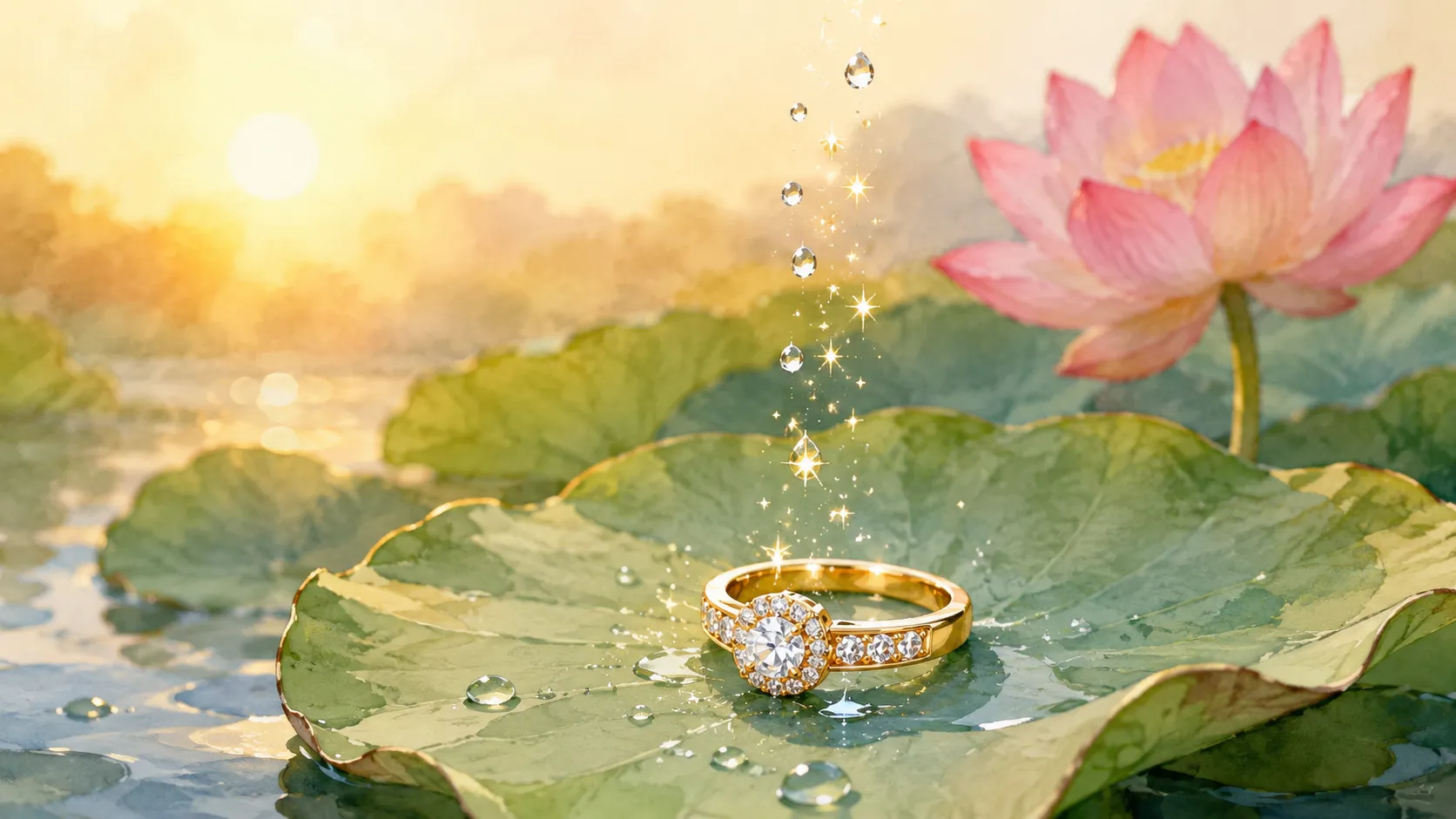
A gold and diamond ring is more than just jewelry. For many people, it represents a milestone, a promise, a memory, or a treasured investment. Yet even the most stunning ring gradually loses its brilliance when exposed to everyday life. Skin oils, hand lotions, soap residue, makeup, dust, and environmental pollutants slowly collect on the metal and stone. Over time, these contaminants create a film that blocks light from entering and reflecting through the diamond, making it appear dull and lifeless.
The good news is that regular cleaning can restore much of the ring’s original beauty. Jewelry experts consistently recommend routine maintenance because dirt accumulation affects not only appearance but also long-term durability. A neglected ring can develop stubborn buildup around prongs and settings, making inspections more difficult and potentially allowing structural issues to go unnoticed. Professional jewelers often compare jewelry maintenance to vehicle maintenance: small, consistent efforts help prevent larger problems later. Regular cleaning also provides an opportunity to inspect the ring for wear, loose stones, or damaged settings before they become costly repairs. According to jewelry care experts, a simple routine involving warm water, mild dish soap, and gentle brushing remains one of the safest and most effective methods for maintaining gold and diamond jewelry at home.
How Dirt Affects Gold and Diamonds
Diamonds are famous for their ability to reflect and refract light. However, they also attract oils surprisingly well. Even a thin layer of residue can dramatically reduce sparkle. Gold bands, especially those worn daily, can accumulate grime in tiny scratches and crevices. This combination makes the entire ring look older than it really is.
Common Sources of Build-Up
Daily activities expose rings to countless contaminants, including:
- Hand creams and lotions
- Sunscreen
- Makeup products
- Cooking oils
- Soap residue
- Dust and dirt particles
- Natural skin oils
These substances often collect where the diamond meets the setting, creating stubborn deposits that require careful cleaning.
Understanding What Needs Cleaning Most Often
Many people focus exclusively on the top surface of the diamond because that is the most visible area. Surprisingly, the sections that require the most attention are often hidden from view. The underside of the stone, the prongs, and the tiny spaces around the setting typically collect the greatest amount of debris. These areas are difficult to see but play a major role in how brilliantly a diamond reflects light.
Professional jewelers frequently point out that the pavilion; the lower portion of the diamond beneath the visible surface; is where oils accumulate most heavily. When this area becomes coated with residue, the stone cannot interact with light effectively. As a result, even a high-quality diamond can appear cloudy. Gold settings also contain tiny gaps and recesses where grime becomes trapped. Because these areas are difficult to reach, many ring owners unknowingly allow buildup to remain for months. Understanding where dirt accumulates is the first step toward cleaning more effectively and preserving the ring’s appearance over time.
The Diamond Surface
Fingerprints, skin oils, and cosmetics frequently coat the top of the stone. While visible smudges are easy to notice, they are often only a small part of the problem.
The Underside of the Setting
Experts often recommend focusing most cleaning efforts beneath the diamond because this hidden area has the greatest impact on brilliance.
Prongs and Hidden Crevices
Prong settings naturally trap dirt. Tiny gaps around the metal can become reservoirs for lotion residue and dust particles that dull the ring’s overall appearance.
Preparing a Safe Cleaning Routine at Home
Creating a safe home-cleaning routine is essential because jewelry cleaning should improve the ring’s condition, not risk damaging it. Many online hacks suggest aggressive cleaning solutions or abrasive materials, but experts generally recommend simplicity. Mild dish soap and warm water remain the gold standard for routine maintenance because they effectively dissolve oils without harming gold or diamonds. Before beginning, gather all necessary materials so you can work efficiently and safely. A small bowl, warm water, a few drops of mild dish soap, a soft-bristled toothbrush, and a lint-free cloth are usually all that is required. Choosing a secure location is equally important. Many rings have been lost down sink drains during cleaning. To avoid accidents, work over a bowl, use a drain cover, or place a fine strainer beneath the faucet while rinsing. These simple precautions significantly reduce risk while allowing you to clean confidently. A well-prepared routine also encourages consistency, making it easier to keep the ring looking beautiful throughout the year.
Tools You Need Before Starting
| Item | Purpose |
|---|---|
| Small bowl | Soaking the ring |
| Mild dish soap | Breaking down oils |
| Soft toothbrush | Cleaning delicate areas |
| Lint-free cloth | Safe drying |
| Drain cover or strainer | Preventing loss |
Creating a Gentle Cleaning Solution
Mix warm water with a few drops of mild dish soap. Avoid strong detergents, bleach-based cleaners, and harsh chemical solutions.
Setting Up a Safe Workspace
Always clean away from open drains. This single precaution can prevent a heartbreaking accident.
Step-by-Step Process for Cleaning a Gold and Diamond Ring
The safest cleaning process is surprisingly simple. Start by placing the ring into a bowl filled with warm water and mild soap. Allow it to soak for approximately twenty to thirty minutes. This soaking period loosens oils, dirt, and residue that have accumulated throughout daily wear. Once softened, contaminants become much easier to remove without applying excessive force.
After soaking, use a soft-bristled toothbrush to gently clean all surfaces of the ring. Pay particular attention to the underside of the diamond, the spaces around the prongs, and any decorative details in the band. Gentle circular motions are generally more effective than aggressive scrubbing. Once cleaning is complete, rinse thoroughly with lukewarm water while ensuring the drain is covered. Dry the ring using a lint-free microfiber cloth and allow it to air dry briefly before wearing it again. This straightforward method is recommended by jewelry professionals because it combines effectiveness with safety, helping maintain brilliance without causing unnecessary wear.
Soaking the Ring Properly
Soaking loosens stubborn grime and allows cleaning tools to work more efficiently without excessive pressure.
Brushing Away Dirt Safely
Use only soft brushes. Hard bristles can gradually damage finishes and delicate settings.
Rinsing and Drying Without Damage
Microfiber or lint-free cloths are ideal because they leave no fibers behind and minimize scratching.
Removing Build-Up Around the Setting
One of the biggest challenges in jewelry maintenance is removing residue hidden beneath the stone. This area acts like a tiny trap where oils, dust, soap, and cosmetics accumulate over time. Even when the visible surface appears clean, hidden deposits can dramatically reduce sparkle. Professional jewelers often emphasize that cleaning underneath the stone delivers the most noticeable improvement in brilliance because it restores the diamond’s ability to interact with light naturally. Careful brushing is usually sufficient for most rings. Focus on cleaning around the base of the diamond and beneath the setting where buildup tends to concentrate. If residue remains after one cleaning session, another short soak can help loosen stubborn deposits. Patience is important. Excessive force may damage prongs or loosen stones. Think of the process as restoring a delicate work of art rather than scrubbing a household object. Small, careful movements often produce better results than aggressive cleaning.
Cleaning Beneath the Diamond
The underside of the diamond often contributes more to sparkle than the visible top surface because it influences how light travels through the stone.
Dealing with Lotion and Cosmetic Residue
Beauty products are among the most common causes of cloudiness. Regular cleaning helps prevent heavy accumulation.
Techniques That Preserve Sparkle and Shine
A sparkling ring is not simply the result of occasional deep cleaning. Long-term brilliance comes from combining effective cleaning with smart wearing habits. Removing the ring during workouts, gardening, heavy cleaning, and cosmetic application can significantly reduce contamination and wear. Jewelry experts frequently recommend handling rings by the band rather than touching the diamond directly to minimize fingerprints and oil transfer. Consistency is another important factor. Many jewelers recommend light cleaning every one to two weeks for rings worn daily. This approach prevents heavy buildup from developing and reduces the need for aggressive cleaning later. Some enthusiasts also use specialized jewelry cleaners or ultrasonic devices, though these methods are not suitable for every ring and should only be used when appropriate. For most owners, simple soap-and-water cleaning remains the safest strategy. By maintaining good habits and cleaning regularly, a ring can retain its brilliance year after year while minimizing the risk of unnecessary wear.
Maintaining Diamond Brilliance
Clean diamonds reflect light more efficiently and appear brighter, sharper, and more vibrant.
Protecting Gold From Wear
Gentle handling and avoiding harsh chemicals help preserve gold’s finish and structural integrity.
Cleaning Mistakes That Can Cause Damage
Many well-intentioned ring owners accidentally cause damage while attempting to clean their jewelry. Social media is filled with cleaning hacks that promise dramatic results, but some involve substances that can scratch metal, weaken settings, or leave damaging residues. Toothpaste, baking soda, bleach, chlorine-based cleaners, lemon juice, and other abrasive or acidic products are commonly cited examples of materials that should be avoided. Experts consistently warn that these substances can dull finishes and potentially compromise delicate settings. Another common mistake is excessive scrubbing. Diamonds are extremely hard, but the surrounding metal is not. Aggressive brushing can wear away protective finishes and place unnecessary stress on prongs. Overusing ultrasonic cleaners can also create issues for certain settings and gemstones. The safest strategy is to prioritize gentle methods and reserve intensive cleaning procedures for situations where they are truly needed. Remember that jewelry maintenance should be protective rather than aggressive.
Products You Should Never Use
- Bleach
- Chlorine cleaners
- Acetone
- Toothpaste
- Baking soda on delicate finishes
- Lemon juice
- Abrasive powders
Over-Cleaning and Excessive Scrubbing
Too much cleaning can be nearly as problematic as too little. Gentle, routine maintenance is usually the better approach.
Checking for Loose Stones During Maintenance
Every cleaning session presents an excellent opportunity to inspect the ring for potential problems. As you handle the jewelry, carefully examine the prongs and setting. Look for gaps, bent metal, unusual movement, or any indication that the stone is not securely seated. Some jewelers recommend lightly tapping the ring near your ear to listen for rattling sounds that may indicate a loose stone. While this is not a substitute for professional inspection, it can help identify issues before they become serious. Routine inspections are especially important because loose stones often develop gradually. What begins as minor wear can eventually result in stone loss if left unaddressed. Experts recommend professional inspections at least annually, with more frequent checkups for rings worn every day. Professional jewelers use magnification and specialized tools to detect subtle problems that may not be visible to the naked eye. These inspections provide valuable peace of mind while helping preserve both the beauty and value of the ring.
Warning Signs of a Loose Diamond
- Visible movement
- Bent prongs
- Rattling sounds
- Uneven stone position
- Worn metal around the setting

Nash Wilder is a 36-year-old American writer living in Boise, Idaho. With a background in online publishing and product-focused editorial work, he creates informative articles that balance expertise with approachable language. His work reflects careful fact-checking, practical insights, and a commitment to helping readers understand topics clearly. As an author for braceletdesigns.online, he focuses on producing credible, user-first content that supports long-term reader confidence.